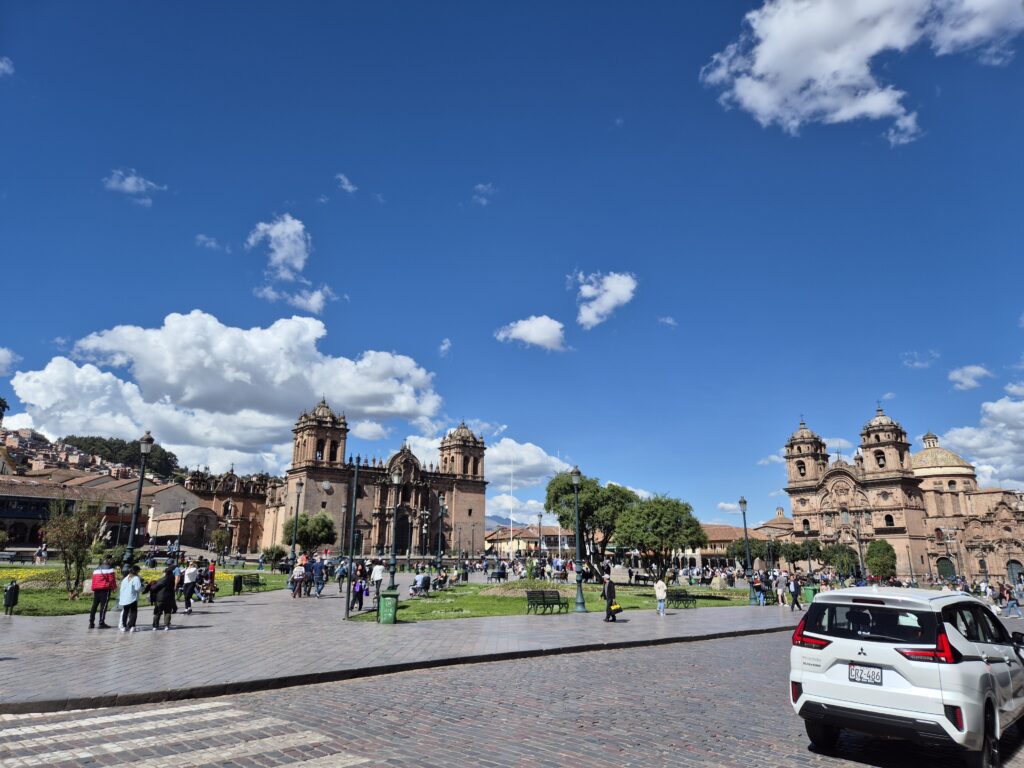
If you’re travelling through Peru, chances are you’re going to Machu Picchu and to do that, you will have to come through Cusco. This historic city located at an altitude of 3400-3500 m used to be the capital of the Inca empire and was built in the shape of a puma, symbolising the power of the Earth in Quechua tradition. Here are some of the best things to do in and around Cusco.
Get acclimatised
Cusco is located at 3400-3500 m above sea level. Due to the lower oxygen content in the air at this altitude, it is common to experience breathing difficulties and a higher heart rate. Unless you live at high altitude (2000+ m), it is recommended to spend a few days in Cusco to acclimatise to the altitude before starting any treks. I live at sea level and flying to Cusco straight after landing in Lima was rough. I felt fine initially, but after a few hours, I was out of breath after walking a few steps.
Coca leaves and coca tea are widely available and will be offered by all hotels and hostels. This is a mild stimulant used by the locals for centuries to stimulate the body and reduce the effects of altitude and it works very well. Muña (Andean mint) is another herb consumed as tea which aids digestion and helps the body adjust to the altitude. Drinking lots of water and electrolytes also helps. There are medications available for altitude sickness, but I didn’t try them.
Exchange and withdraw money
Many trekking companies operating Salkantay Trek/Inca Trail tours want you to pay for a portion of the trek while reserving it online and pay the rest in Cusco in cash in US Dollars. This is easy enough for travellers from North America, but if you are like me and travelling from Europe or other parts of the world, getting USD from our banks at home can be more expensive. I carried Euros to exchange for USD in Cusco and this worked extremely well!
Avenida del Sol is just off the main square and is lined with currency exchangers offering very good rates. The official exchange rate at the time (April 2025) was 1 EUR = 1.14 USD. I was able to exchange at a rate of 1.12 USD – much better than exchanging money at a bank, using an ATM locally or exchanging at the airport. There are 10-15 shops offering currency exchange and it is best to ask a few of them to get the best possible exchange rate.
If needed, most ATMs in Peru also dispense US Dollars, but there is a $200 limit per card per day. ATMs also charge high fees ($4-$10) per USD withdrawal.
Almost all other transactions in Peru are done in Soles. It is possible to withdraw Soles from any ATM but there are often fees involved. There is also a limit of 400-700 Soles per card per day. It is best to withdraw Soles from Banco de la Nación ATMs as they do not charge any fees. They do not have US Dollars and have a limit of 400 Soles per day. There are several Banco de la Nación ATMs around the main square and they have a bank branch on Avenida el Sol.
Book tours
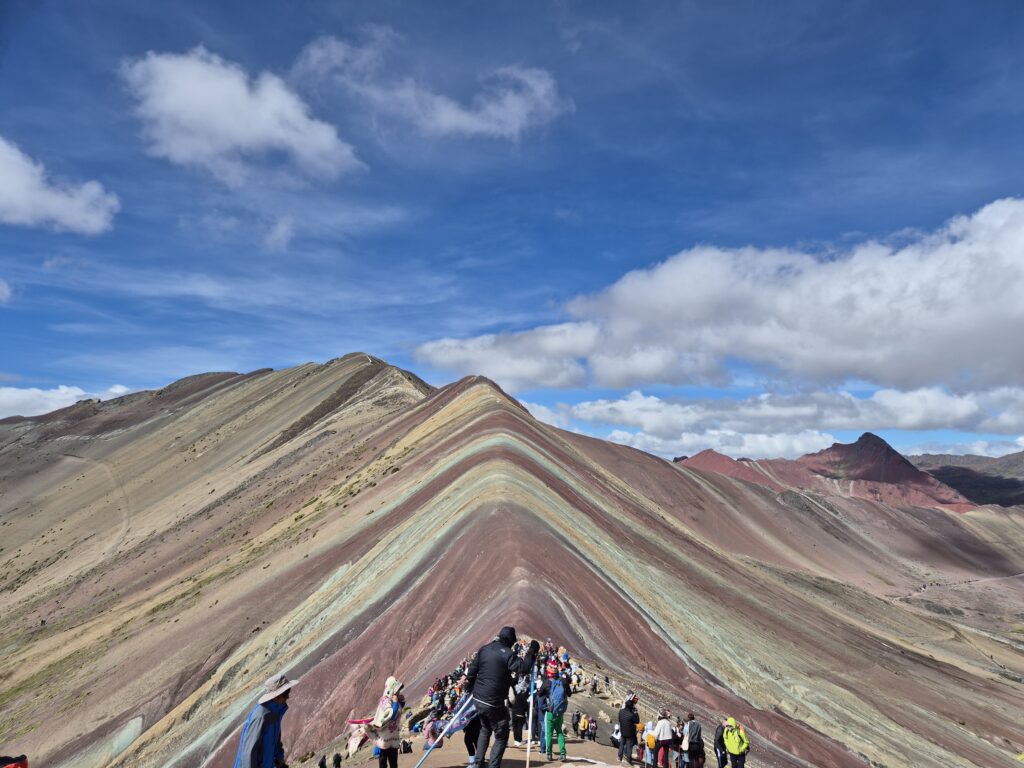
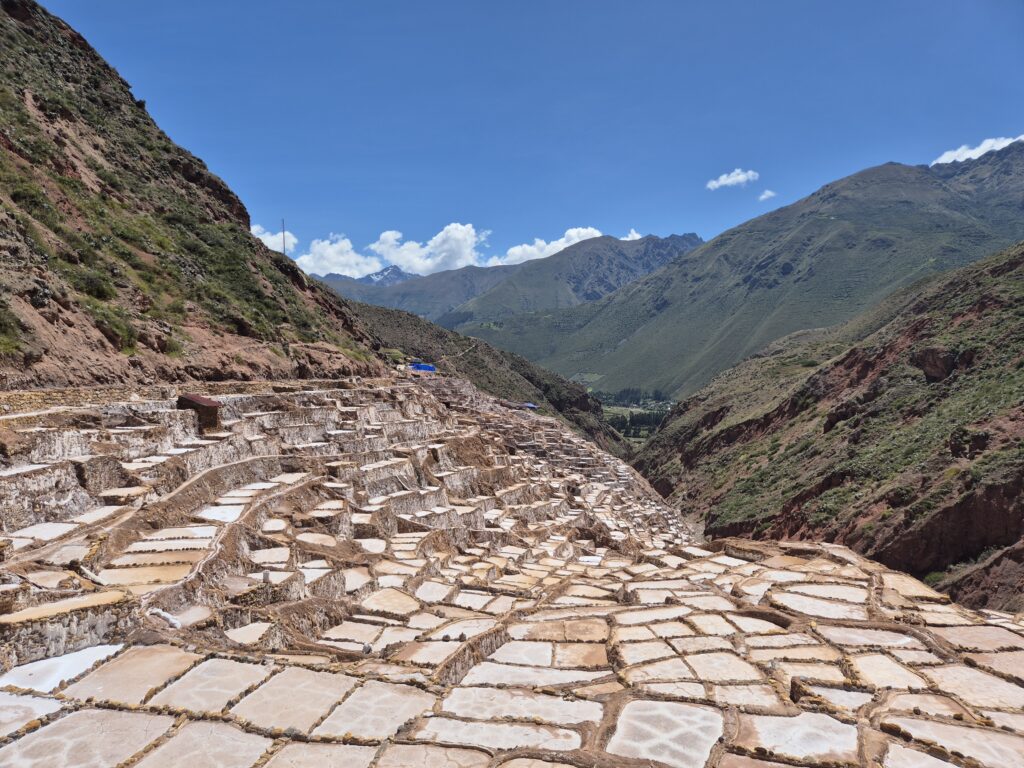
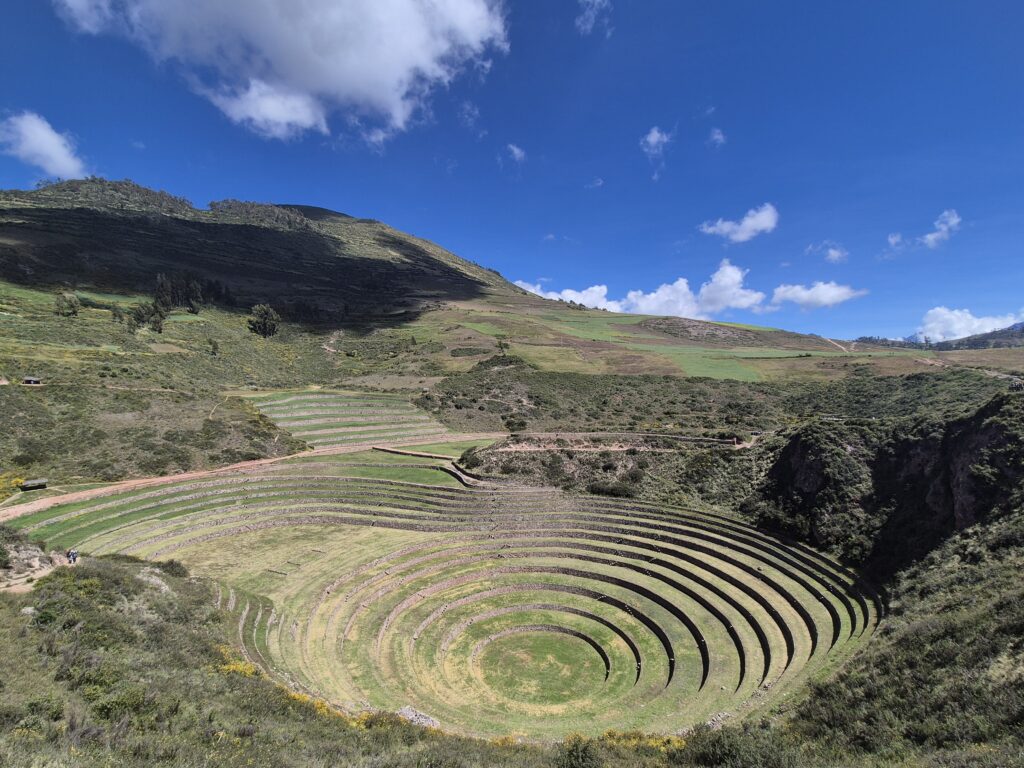
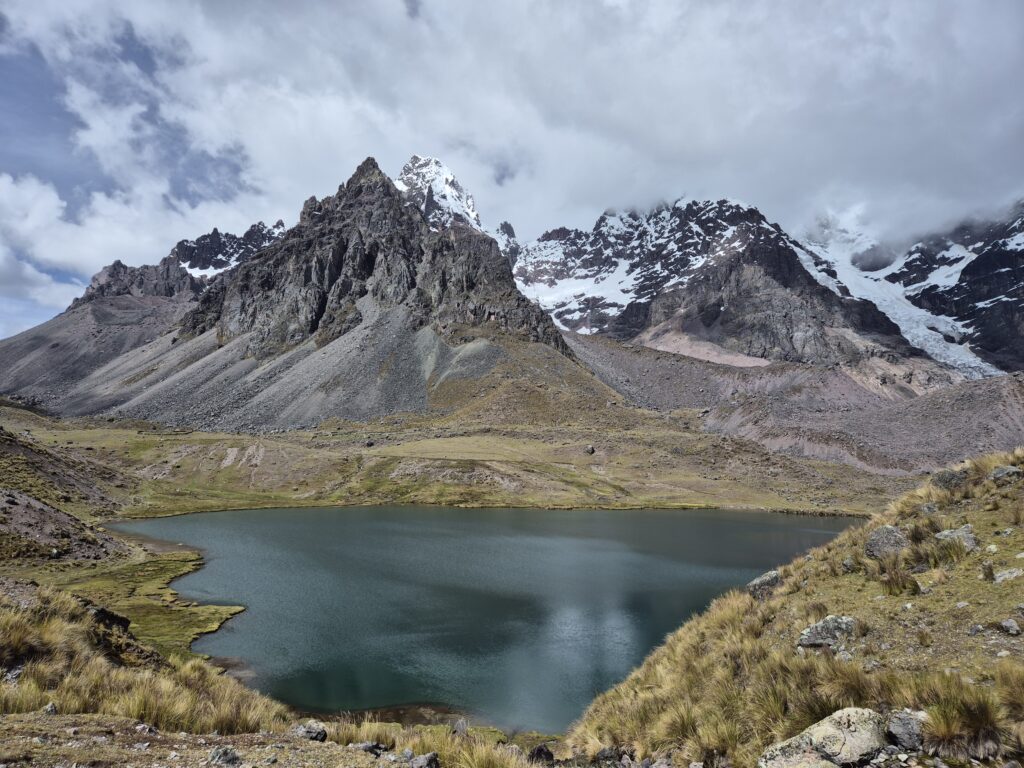
While it is important to book multi-day treks such as the Salkantay Trek or the Inca Trail months in advance, several other day trips from Cusco can be booked when you get here. These include trips to Rainbow Mountain, the 7 lakes of Ausangate, a day hike to Humantay Lake, tours of the Sacred Valley and many more. The same shops on Avenida el Sol which offer currency exchanges also offer these day trips. They don’t advertise online as they generally work with local hotels for their tourists. However, they offer a much cheaper rate if you book directly with them in person.
My trekking company had offered me a Sacred Valley tour for US $80, but I ended up booking the tour with a company on Avenida el Sol for the following day for 70 Soles! Less than quarter of the price! The Boleto Turistico (tourist ticket for the archaeological sites) was not included in the price, so I paid extra for this. However, the more expensive tour operators don’t include this in their prices either. The tour was structured in the same way, we picked up tourists from a hotel and travelled in a minivan with a knowledgeable guide who spoke Spanish and English. We went to the same sites and saw the same tour groups at the all the sites. Every tour group even went to the same buffet restaurant in Urubamba for lunch, meaning there was absolutely no difference.
I had already booked the Rainbow Mountain and 7 lakes of Ausangate tour with my tour company before arriving in Cusco, but having seen the number of tour operators offering these trips (and the price difference), I would wait to book these trips directly in Cusco.
Do a free walking tour
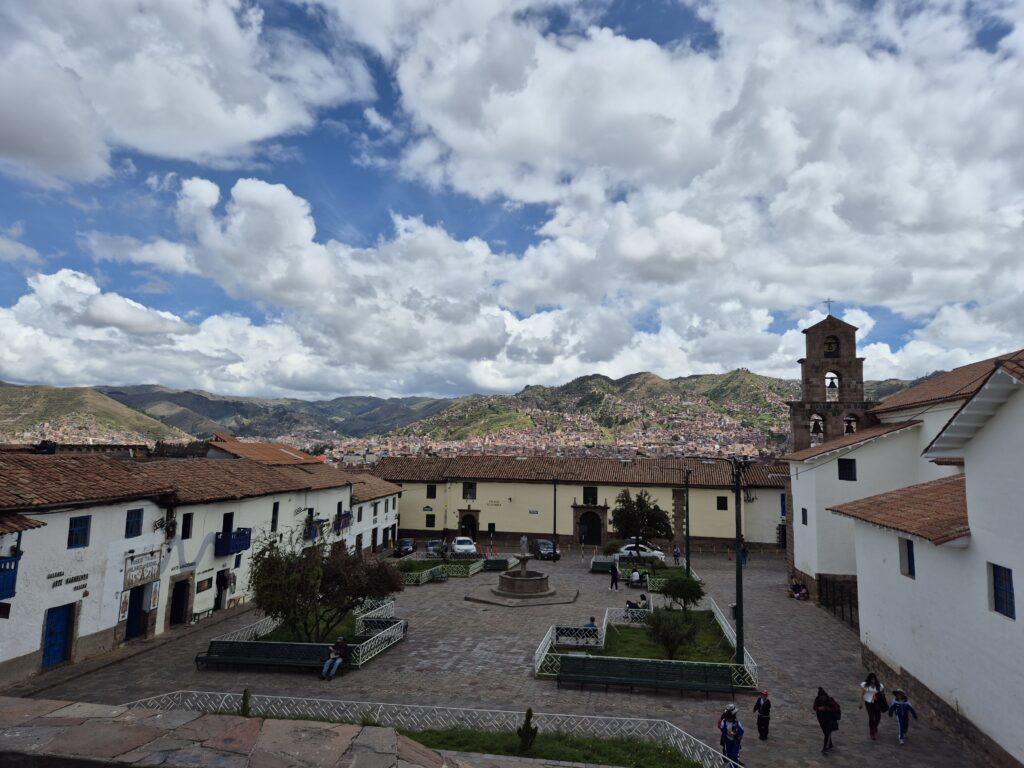
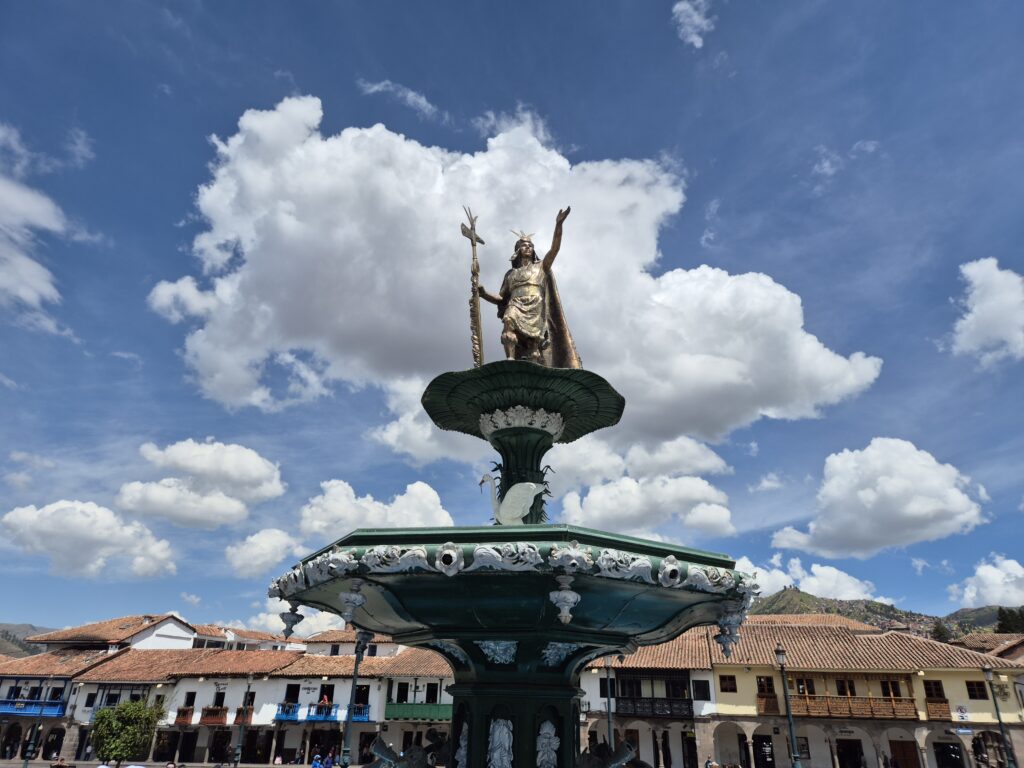
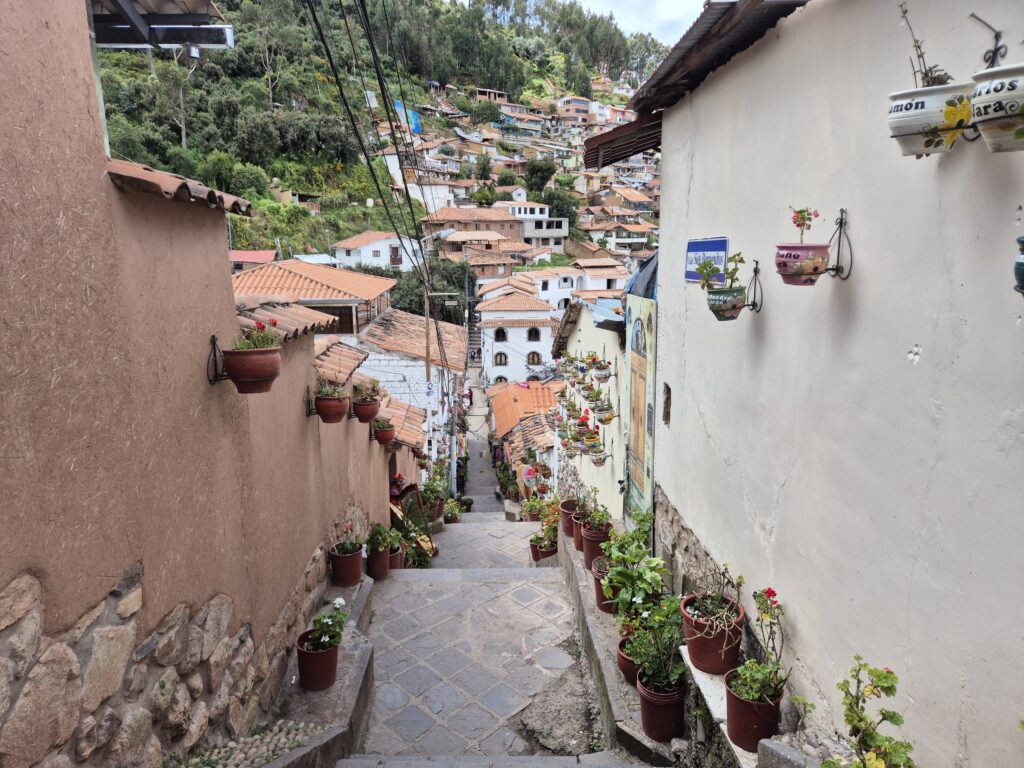
This is always a good option when visiting a new city and the best way to learn about the history and architecture of Cusco, including seeing original Inca walls which form parts of buildings still existing today. The guide alsotalks about the history of the Incas and the culture and traditions of the Quechua people as well as the influence of the Spanish colonisers. We got to see some of the San Blas neighbourhood, good viewpoints over the city and got tips on the best restaurants and archaeological sites around Cusco. But be prepared to climb up some stairs!
Day trip to Pisac
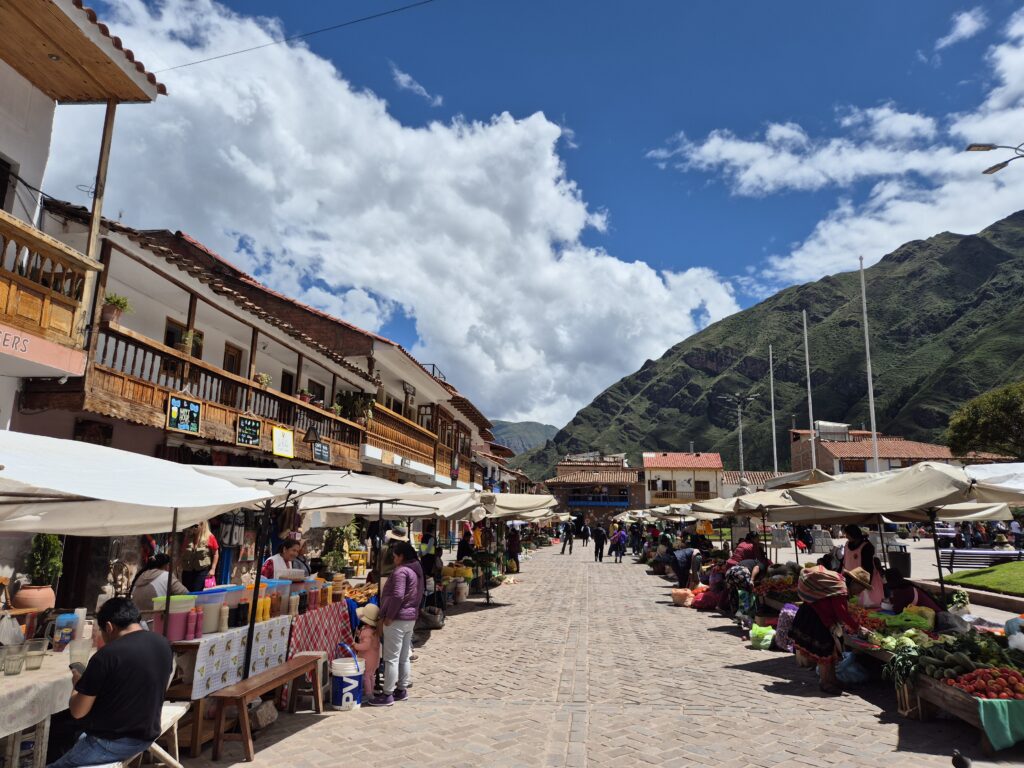
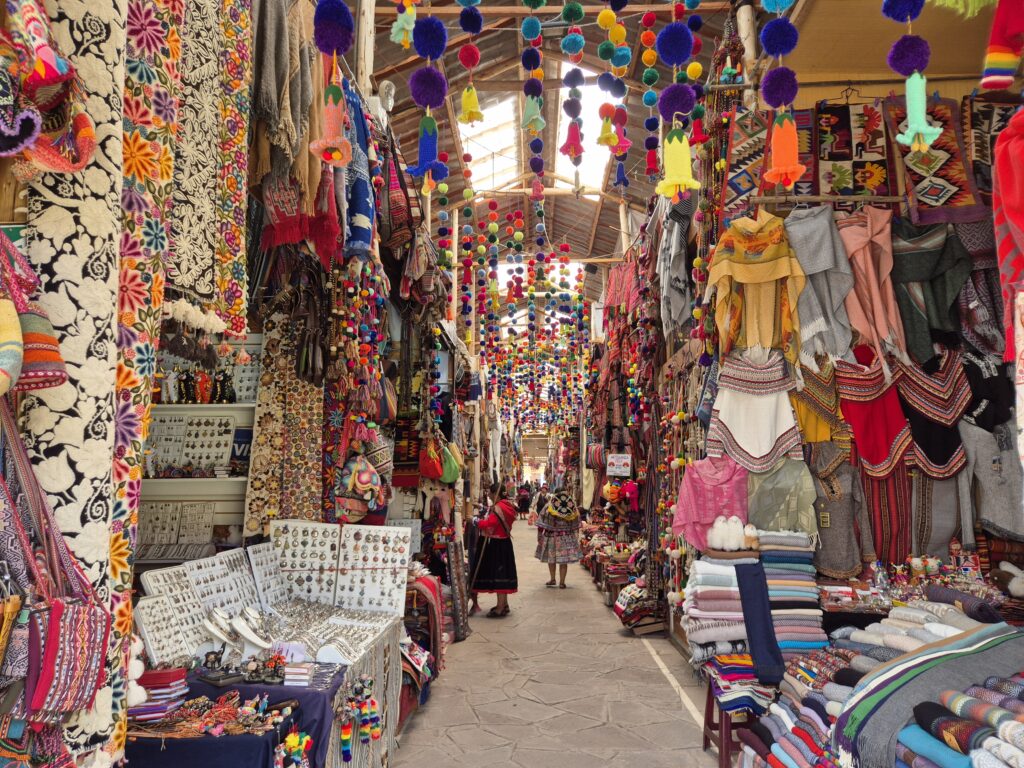
If you have a free day, take a taxi or a colectivo (minibus – costs 5-6 Soles per person from Calle Puputi) and make the 45-minute trip to Pisac. The artisanal market in Pisac is large and has all the souvenirs you would ever need, including alpaca products. There are lots of shops in the surrounding streets as well and the increased choice means cheaper prices, but remember to haggle! On Sundays, the central square also hosts a fresh fruit and vegetable market which is worth seeing. Plus, Pisac is a great place to spend a day to acclimatise to the altitude as it is 400 m lower than Cusco. I flew to Cusco on a Saturday and felt the effects of the altitude. Going to Pisac the following morning meant I acclimated quickly and I was fine when I returned to Cusco that evening.
San Pedro and San Blas markets
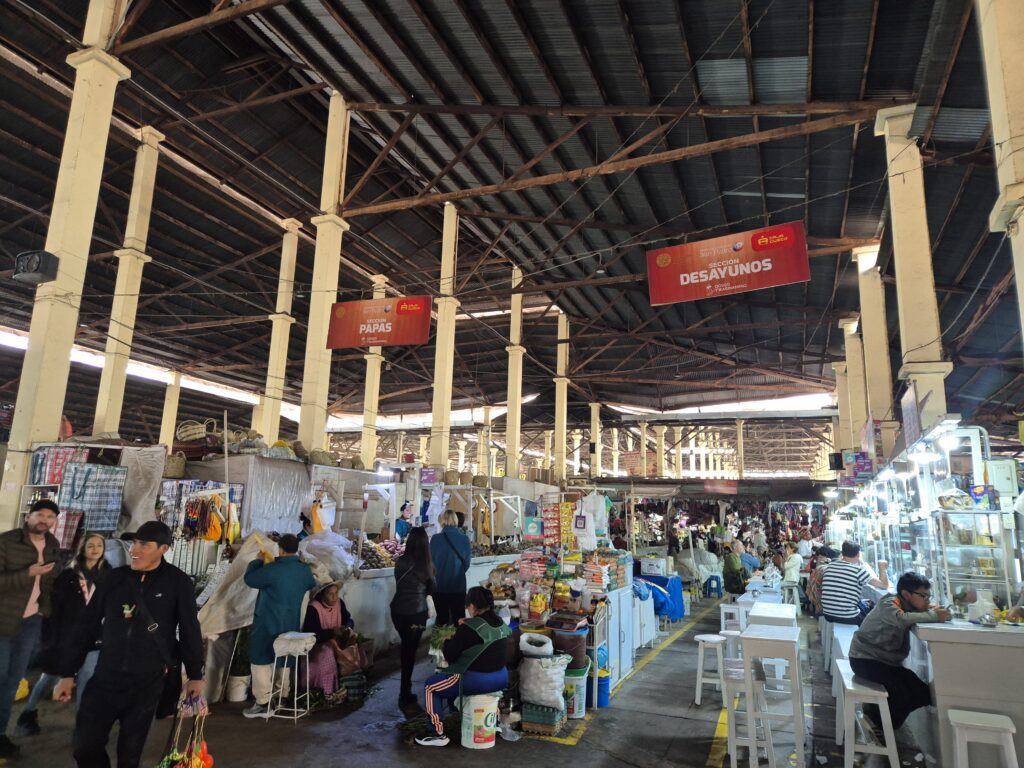
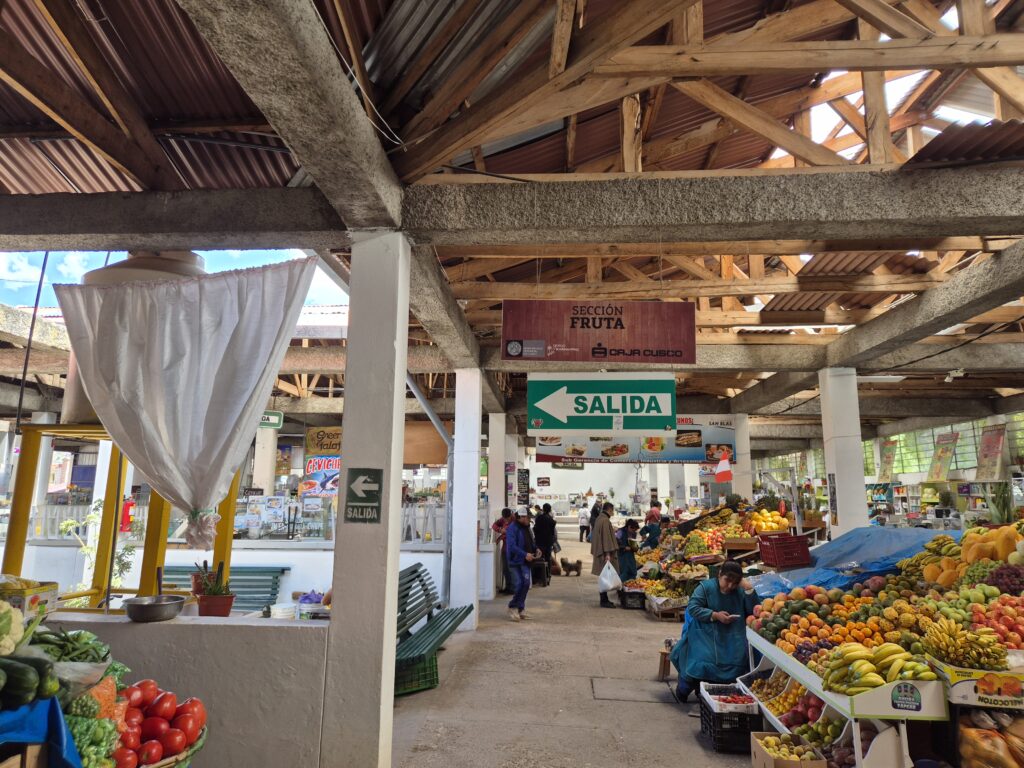
The two local markets located in different neighbourhoods of Cusco are great places to spend some time. The San Pedro market is huge and can be a bit chaotic, but it is a great place to see fresh produce, try out fresh fruits and juices which you wouldn’t get at home as well as local food. There is even has a section specifically selling different types of potatoes! There are rows of small restaurant stalls selling fresh local food with tables often being shared by multiple customers. Find the ones where a lot of locals are eating and you’re guaranteed to have a good meal. Most restaurants serve a soup to start with, followed by a main course of your choice. Eating here is cheap and the portion sizes are large – I had multiple lunches here, all between 5 Soles for sandwiches and 25 Soles for full meals. The San Blas market is similar but smaller and is located in the San Blas neighbourhood on a hill to the east of the Plaza de Armas. Both markets are also lined with shops selling local products and souvenirs.
Saqsayhuaman and the Cristo Blanco
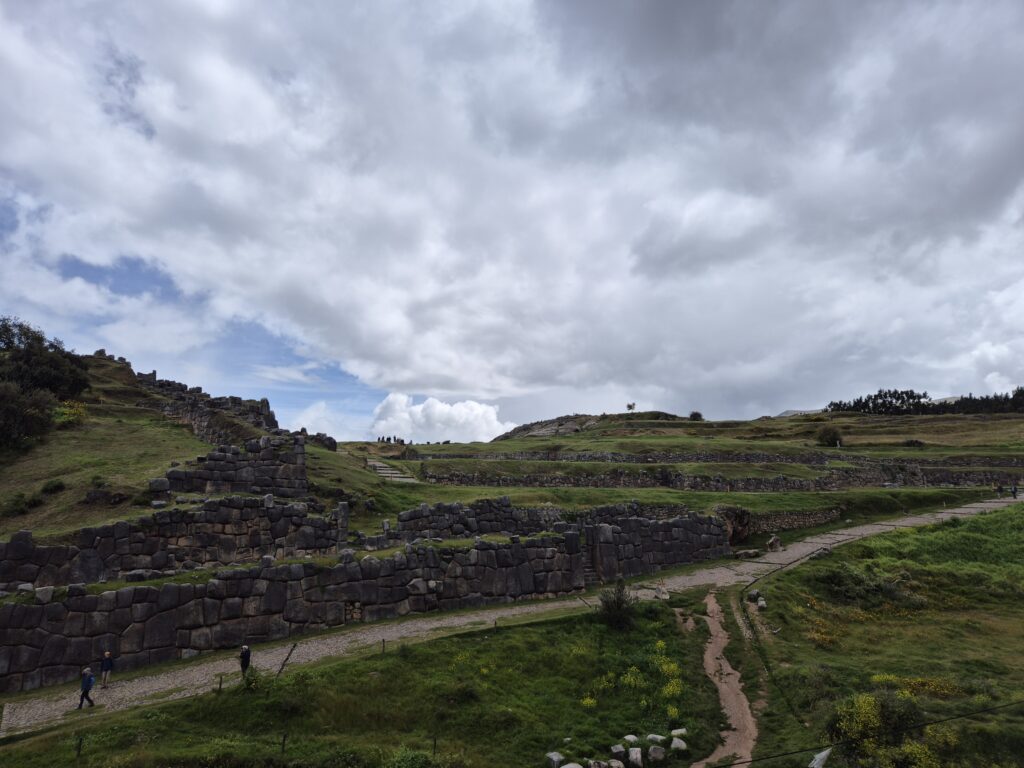
Saqsayhuaman is one of the archaeological sites closest to Cusco. It is possible to get here by taxi, or if you’re up for the challenge, by walking. There is 200-250 m of elevation gain to get here from Cusco, so it is important to pace yourself. You need a ticket to enter the archaeological site which can be bought at the entrance.
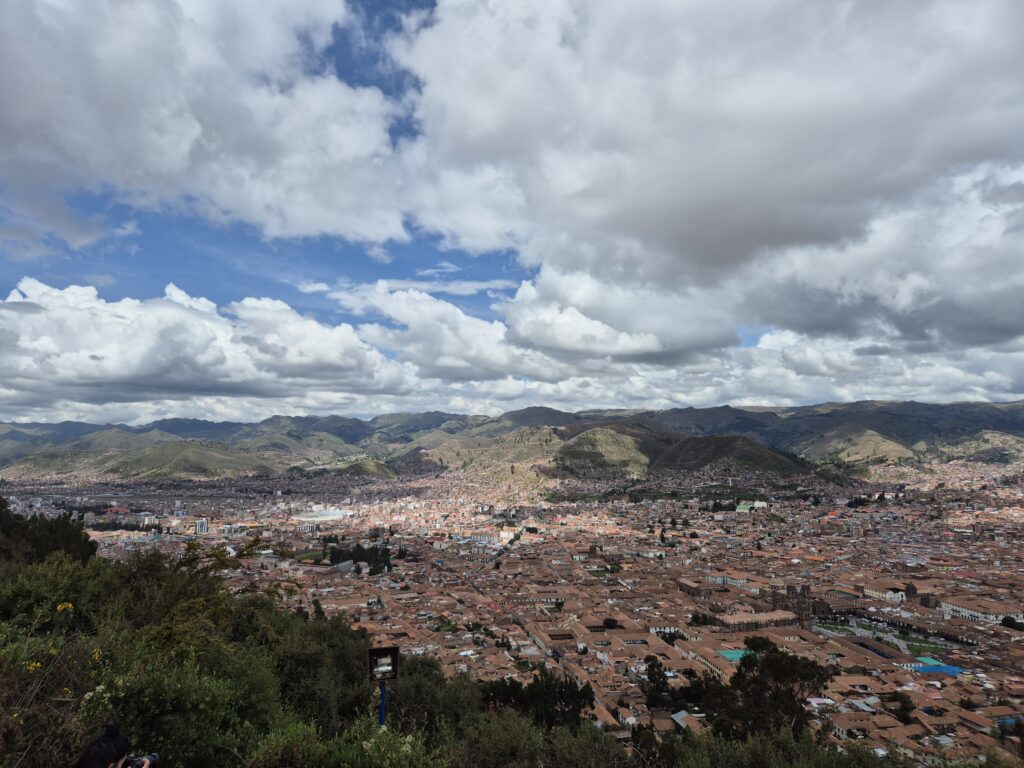
The Cristo Blanco is a large statue of Jesus which can be seen from the main square and from other points of the city. There is no ticket required to go and see it and it is located close to Saqsayhuaman. It is possible to get here by taxi or as I did – on foot via the San Blas neighbourhood. This spot offers some of the best views over Cusco and is definitely worth the effort.
Food and drink
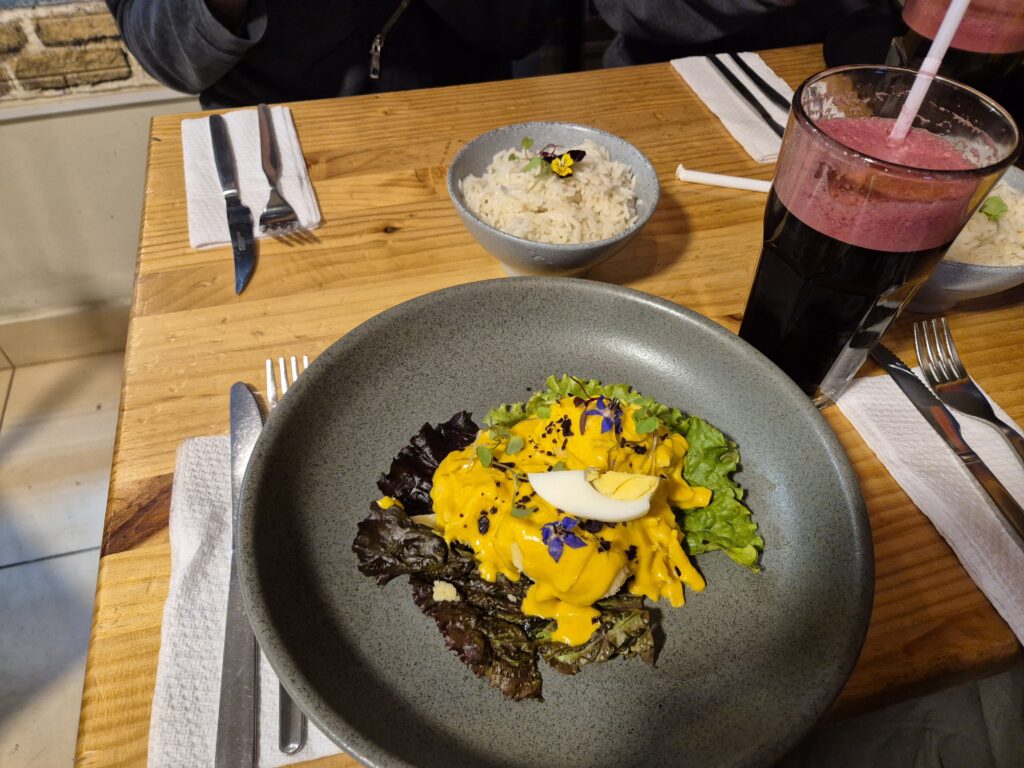
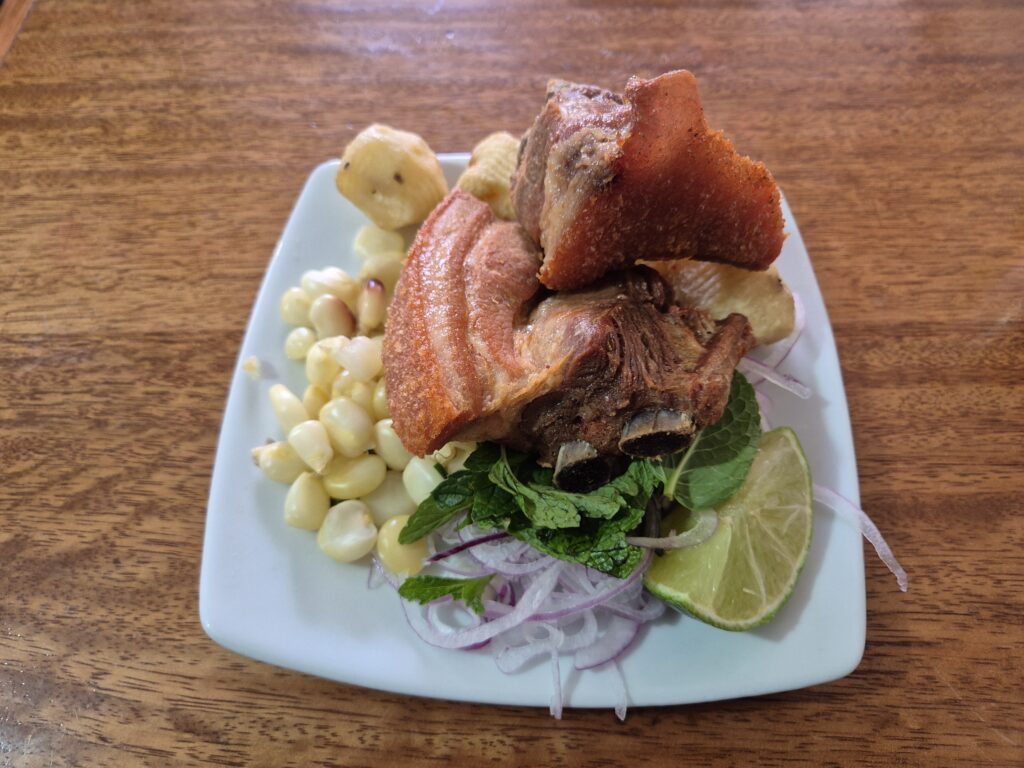
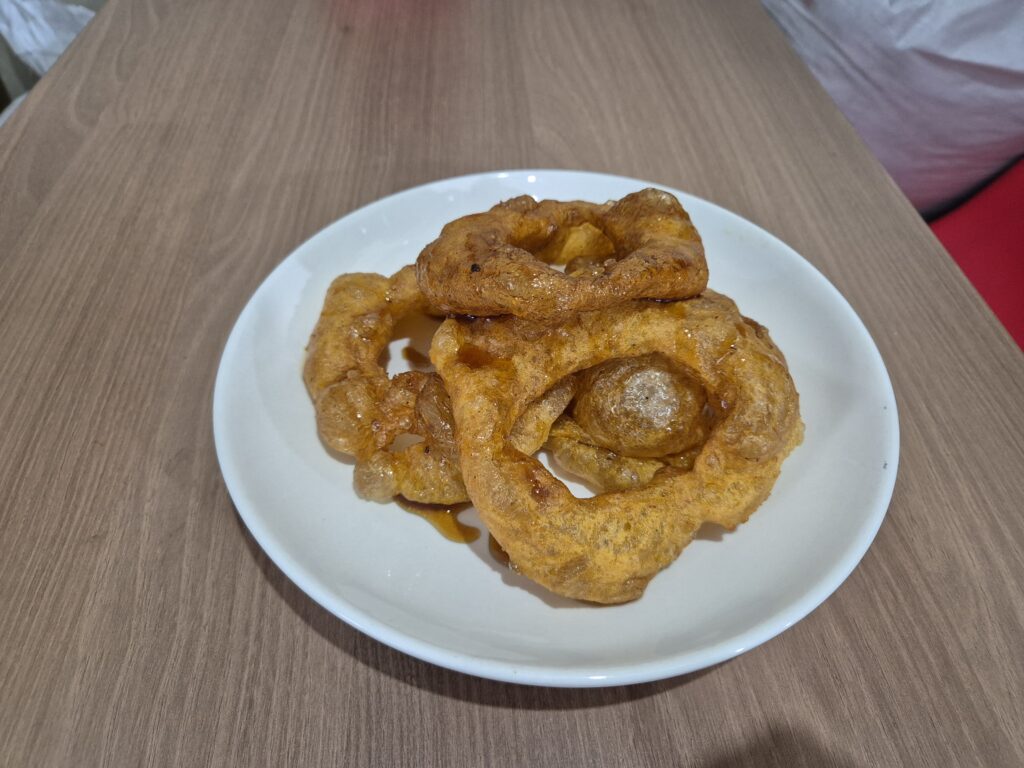
Cusco has amazing food for cheap prices. Local favourites such as aji de gallina (stew with chicken breast and aji amarillo/yellow peppers), chicharrón (fried pork belly), trucha frita (fried trout), caldo de gallina (chicken and vegetable clear soup), pollo a la brasa (roast chicken) and lomo saltado (stir-fried beef) can be found in almost every local restaurant. In addition, Cusco and the surrounding towns are a great place to try alpaca and cuy (guinea pig)!
You can find pisco sours everywhere, although drinking a lot of alcohol at high altitude may not be the best idea! The local beer (Cusqueña) is excellent and very popular, as is chicha morada – a sweet, non-alcoholic drink made from purple corn, which was my favourite drink during my time in Peru.
There are some excellent restaurants around the main square and in the Calle de Plateros, as well as more local places further away. The San Pedro and San Blas markets are great for lunch, but check out some of these restaurants for dinner –
- La Perla Criolla – busy restaurant with simple, local food done extremely well – easily my favourite place in Cusco
- Restaurante Apu Koricancha – excellent for Chicharrón, lots of locals eat here so I knew it was good!
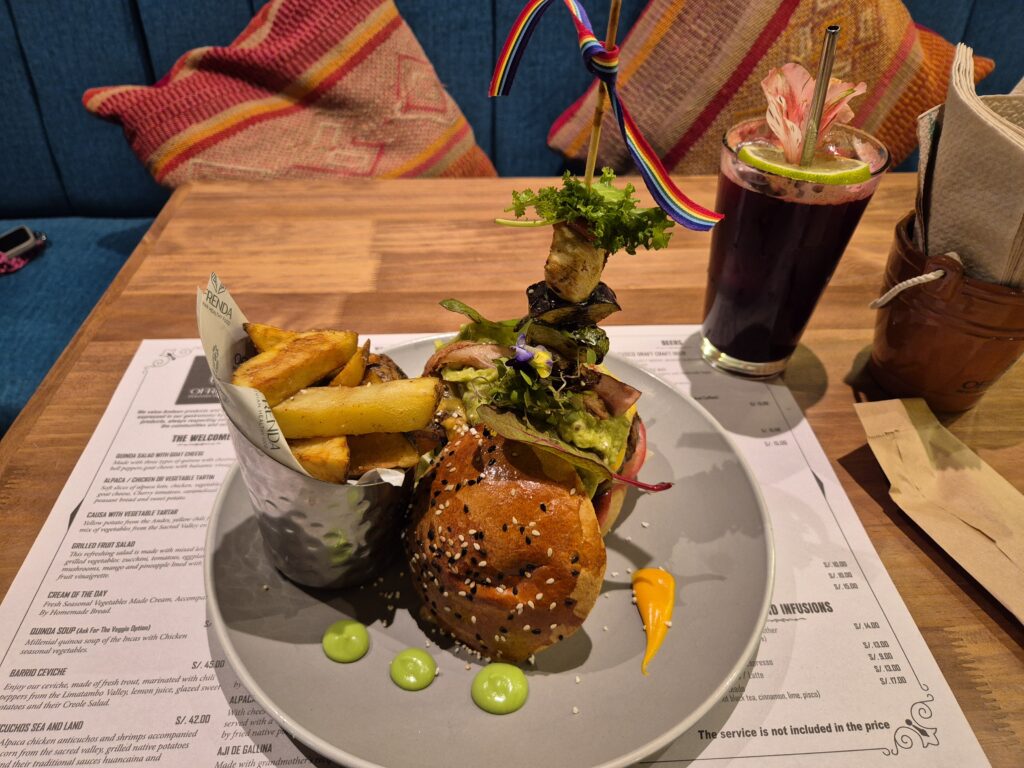
- Ofrenda Peruvian Restaurant – this place is a bit fancy, but has very good food and service. They even have an alpaca burger on the menu which was great to try!
- INKAGRILL – located in the main square and the prices reflect this. The food and service were excellent
- Nonna Trattoria – good quality pizza and drinks – really good on a day I felt like something other than Peruvian food